

Everyone talks about “moving to the province” like it’s a single decision with a single price tag. It isn’t. The gap between renting in Makati and renting in Davao isn’t 10% — it’s closer to 200%. And the gap between the cheapest big city on this list and the most expensive isn’t lifestyle. It’s the same lifestyle, at wildly different prices.
We pulled together current listings, utility rates, and cost-tracking data (Numbeo, Expatistan, BalayHub, local real estate boards) to rank six Philippine cities by what a single person or couple actually spends per month — rent included. If you’re weighing a move, negotiating a remote salary, or just wondering whether you’re overpaying to live where you live, here’s the real math.
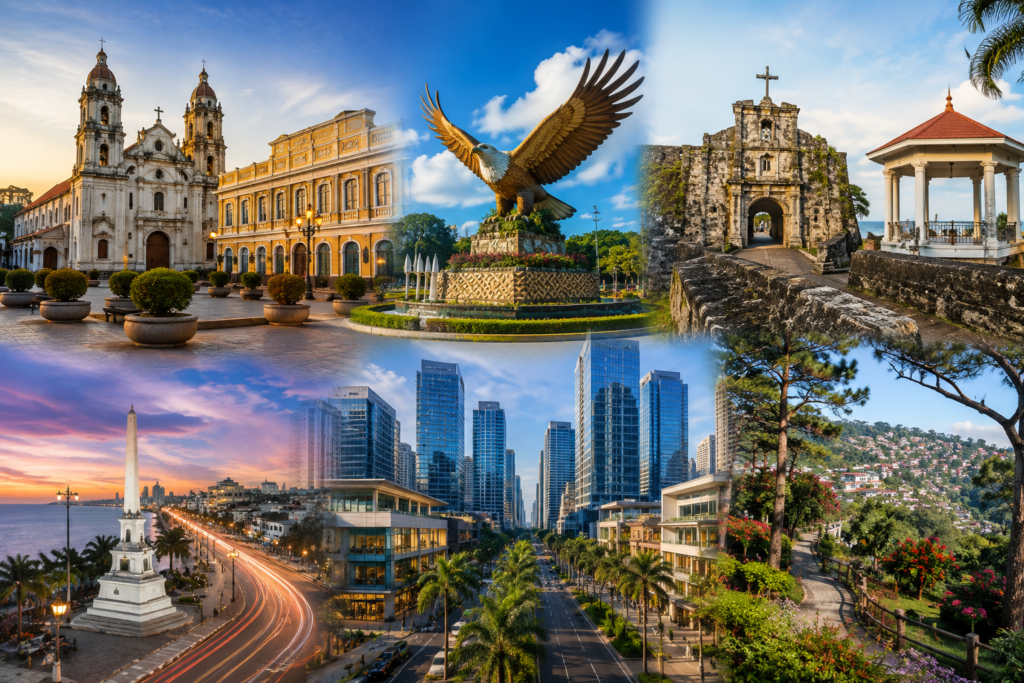
The ranking: cheapest to most expensive
1. Davao City — ₱32,000–52,000/month (~$570–930)
Davao is the value leader among the country’s major cities, running roughly 25–31% cheaper than Manila overall. A two-bedroom condo that would cost you double in Makati goes for a fraction of that here, and electricity through Davao Light consistently prices below both Meralco (Manila) and VECO (Cebu). Add a reputation for safety and a fast-growing BPO sector, and Davao is the strongest case on this list for “same quality of life, lower bill.”
Getting around: Tricycles start around ₱10–15 with short in-barangay rides typically landing at ₱15–30. Metered taxis are more common here than in Manila or Cebu, and drivers actually use the meter — flag-down runs about ₱50. Late at night, jeepneys thin out fast (past 10 p.m.), so budget for Grab or a habal-habal (motorcycle taxi) at a premium.
2. Iloilo City — ₱28,000–42,000/month (~$500–750)
Iloilo doesn’t get talked about as much as Cebu or Davao, but the numbers hold up. Current listings put a 1-bedroom condo at ₱20,000–33,000/month (~$355–585), with the median sitting around ₱25,000 — groceries are cheap even by provincial standards, and the city has picked up a real digital-nomad following thanks to solid internet infrastructure. It’s not the flashiest option, but for the price, you get a genuine mid-size city — not a sleepy town — with malls, hospitals, and an airport with direct flights to Manila and Cebu.
Getting around: Budget roughly ₱260/month (~$5) if you’re commuting daily by jeepney or tricycle for routine trips — one of the cheapest transport lines on this whole list. Groceries run about $200/month for one person, which is low even by provincial Philippine standards.
3. Dumaguete — ₱25,000–40,000/month (~$450–720)
The classic “quiet life, real savings” pick. Dumaguete consistently shows up in budget breakdowns as one of the most affordable university-city options, with rent and food both undercutting the bigger metros. One honest caveat: major listing sites here skew toward furnished, higher-end units (₱30,000–65,000/month) aimed at expats — the basic unfurnished studios most locals actually rent rarely get listed there and go for meaningfully less. The trade-off is smaller-city limits on shopping, entertainment, and job density — this is a city for people optimizing for cost and pace of life, not career options.
Getting around: The city is small enough to walk or bike large parts of it — many residents skip regular tricycle use entirely for anything within the university-belt core. When you do need one, in-town short hops run in the same ₱15–30 range as other second-tier cities.
4. Baguio — ₱30,000–48,000/month (~$540–860)
Baguio’s climate is the whole pitch — cooler temperatures year-round, no need to fight Metro Manila traffic — and housing outside the city center stays genuinely affordable. It sits a notch above Davao and Iloilo mostly because of higher demand for centrally located units; the mountain city has become a preferred base for remote workers who want a break from the heat without leaving the country.
Getting around: Jeepneys here run slightly cheaper than the national average, but tricycles inside the city center cost more than you’d expect for the distance — steep, winding streets mean drivers charge for the terrain, not just the kilometers. Factor in a bit more for hilly, last-mile trips than a flat-city budget would suggest.
5. Cebu City — ₱38,000–58,000/month (~$680–1,050)
Cebu is the “second city” for a reason: real infrastructure, an international airport, major hospitals, and a growing BPO industry, at a price still meaningfully below Manila. A fully furnished one-bedroom in IT Park or Lahug — Cebu’s expat and BPO hub — currently lists for ₱28,000–45,000/month (~$500–800), with premium units in newer towers pushing past ₱60,000. Noticeably more than Davao or Iloilo, but you’re paying for beach access within an hour and one of the country’s most expat-friendly job markets.
Getting around: No train or metro system, so you’re relying on jeepneys, buses, and Grab. Download JoyRide or Angkas for motorcycle-taxi options — locals lean on them heavily to cut through traffic, and they typically run cheaper and faster than a car during peak hours.
6. Metro Manila (Makati/BGC) — ₱48,000–95,000+/month (~$860–1,700+)
The top of the range, and it’s not close. A modern one-bedroom in Makati or BGC runs $600–1,200/month on its own — before food, transport, or utilities, which also run highest here (Meralco electricity alone can hit ₱4,000/month). You’re paying for density: the jobs, the flights, the hospitals, the nightlife all cluster here. That premium is real, and for a large share of residents, it’s not optional — it’s where the work is.
Getting around: This is the one city on the list where a reloadable Beep Card (₱100 to start) actually pays off — it works across the metro’s train lines and select buses, and fixed fares beat negotiating jeepney rates trip by trip. Jeepney minimum fare is ₱14, ordinary bus minimum is ₱15 for the first 5 km, and Grab base fares start around ₱65 for a standard sedan before per-km charges.
What actually drives the gap
Rent is the single biggest lever, by a wide margin. It’s also the one you have the most control over — moving a few kilometers outside a city center routinely cuts rent by 30–40% in every city on this list, Manila included. Utilities follow a similar pattern regionally: Meralco’s Manila rates consistently run higher than VECO in Cebu or Davao Light in Davao, even for identical usage.
The other real driver is inflation, which has been mild but steady — housing and utility costs nationally have been ticking up a couple of percentage points year over year, meaning last year’s budget numbers are already a bit out of date. If you’re planning a move, build in a buffer rather than budgeting to the exact figure you found online.
The bottom line
If you’re optimizing purely for savings and can work remotely, Davao or Iloilo give you the most house — and the most breathing room — for the money, without dropping down to a genuinely small town. If your job or industry keeps you tied to Metro Manila, the premium isn’t really a choice, but knowing what it’s buying you (density, healthcare access, flight connections) makes it easier to decide whether it’s worth it, or whether a Cebu-based compromise gets you 80% of the access at 60% of the cost.
Figures are current 2026 estimates compiled from multiple cost-of-living trackers, cross-checked against live rental listings on Lamudi and Filipino Homes for Makati, Cebu, Davao, and Iloilo. Dumaguete rent figures reflect listing-site sampling bias toward furnished/expat units — actual local rents can run lower. Actual costs vary by neighborhood, lifestyle, and whether you’re renting furnished or unfurnished. Treat these as planning ranges, not quotes.














[…] 250,000 tourist arrivals. (If Kadayawan has you thinking about more than just a visit, see our full cost-of-living breakdown for Davao — it topped our ranking as the most affordable major city on the […]