
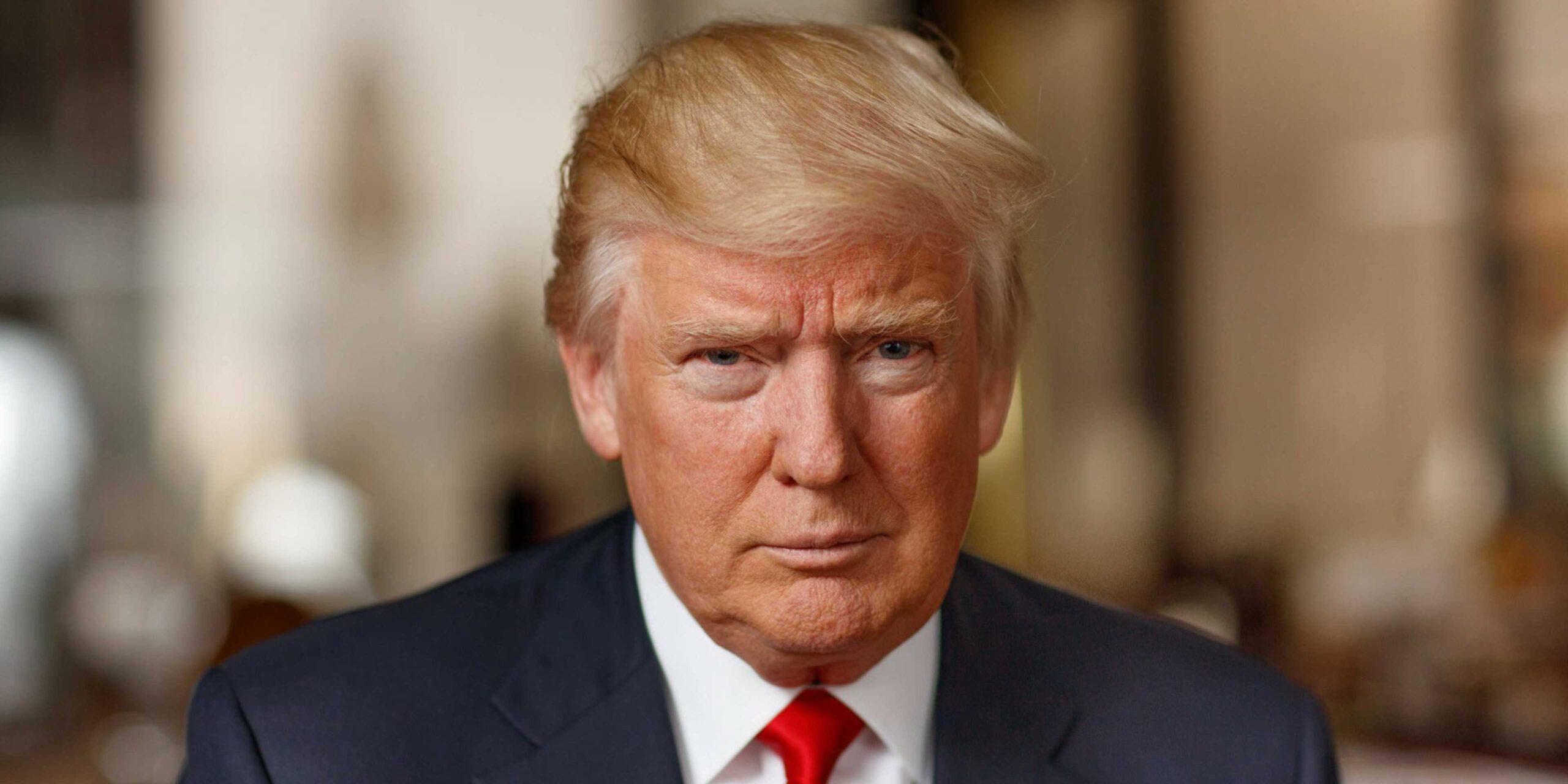
Few presidencies in modern history have generated as much intensity, division, and global attention as that of Donald Trump. Whether viewed through the lens of policy, personality, or political transformation, Trump’s time in office—spanning his first term and his current return to power—has defied conventional expectations of leadership. Any fair assessment must move beyond partisanship and examine the broader impact of his governance: what has changed, what has endured, and what remains uncertain.
A Disruptor in Office
From the outset, Trump positioned himself not as a traditional politician, but as a disruptor. His rhetoric, campaign strategy, and governing style challenged long-standing norms in American politics. Unlike many of his predecessors, Trump leaned heavily into direct communication—particularly through social media—bypassing institutional filters and speaking directly to supporters and critics alike.
This approach reshaped political discourse. Supporters saw it as transparency and authenticity; critics viewed it as destabilizing and at times inflammatory. Regardless of perspective, it undeniably altered expectations of how a president communicates and engages with the public.
Economic Policy: Growth, Shock, and Recalibration
During his first term, Trump prioritized economic expansion through tax reform, deregulation, and an emphasis on domestic industry. The passage of the Tax Cuts and Jobs Act marked a cornerstone of his economic agenda, aimed at stimulating business investment and growth.
Before the global disruption caused by COVID-19 pandemic, the U.S. economy experienced low unemployment and steady growth. However, the pandemic introduced a sudden and severe downturn, testing the administration’s crisis response. Massive stimulus measures were enacted, reflecting a pragmatic—if at times inconsistent—approach to economic management.
In his current presidency, Trump has continued to emphasize economic nationalism: prioritizing domestic manufacturing, revisiting trade agreements, and advocating for protectionist policies. Supporters argue this strengthens American industry; critics caution that it risks trade tensions and long-term inefficiencies.
Foreign Policy: Unconventional, Transactional, Impactful
Trump’s foreign policy has been marked by a departure from traditional diplomatic frameworks. He has often approached international relations with a transactional mindset—evaluating alliances and agreements through perceived national benefit.
His first term included high-profile engagements such as negotiations with North Korea, a recalibration of NATO expectations, and a hardline stance on China. These moves were seen by some as necessary corrections to outdated policies, while others argued they strained alliances and introduced unpredictability.
In his current tenure, this approach persists. There is a continued emphasis on national sovereignty, strategic competition with global powers, and skepticism toward multilateral institutions. The long-term effects of this posture—whether it strengthens U.S. leverage or isolates it—remain a subject of debate.
Immigration and National Identity
Immigration has been one of the defining issues of Trump’s presidency. His policies have consistently emphasized border security, stricter enforcement, and reduced illegal immigration.
Measures such as border wall construction, changes to asylum procedures, and tighter visa regulations have sparked intense debate. Supporters view these as necessary for national security and rule of law. Critics argue they have humanitarian consequences and undermine the country’s traditional identity as a nation of immigrants.
The issue continues to be both a policy priority and a symbolic focal point in broader discussions about American identity and values.
Institutions and Norms: Stress and Transformation
Perhaps one of the most consequential aspects of Trump’s presidency is its impact on political institutions and norms. His relationship with Congress, the judiciary, the media, and even elements within the executive branch has often been adversarial.
Critics argue that his approach has tested democratic norms, particularly in areas such as election integrity discourse and the balance of power. Supporters counter that he has exposed institutional inefficiencies and biases, forcing long-overdue conversations about accountability.
The events surrounding the January 6 Capitol attack remain a defining moment in evaluating this aspect of his leadership. Interpretations differ sharply, but there is broad agreement that it marked a significant point of tension in American democracy.
Political Realignment
Trump’s presidency has also reshaped the political landscape itself. The Republican Party has undergone a transformation, increasingly aligning with populist and nationalist themes. Meanwhile, the Democratic Party has consolidated opposition, often framing itself as a defender of institutional stability and democratic norms.
This realignment has intensified polarization, but it has also clarified ideological divisions. Voters are engaging with politics in more direct and emotionally charged ways, reflecting both increased participation and heightened division.
Leadership Style: Strength or Liability?
Trump’s leadership style remains one of his most defining—and polarizing—traits. His decisiveness, willingness to challenge convention, and focus on loyalty have earned strong support among his base.
At the same time, critics point to a lack of consistency, frequent personnel turnover, and a confrontational tone as potential liabilities. The question of whether his style enhances or hinders effective governance depends largely on one’s expectations of presidential leadership.
An Ongoing Evaluation
Assessing Trump’s presidency “so far” requires acknowledging that it is still unfolding. Policies are still being implemented, global conditions continue to evolve, and political dynamics remain fluid.
What can be said with confidence is that his presidency has altered the trajectory of American politics. It has challenged assumptions, reshaped party identities, and redefined the boundaries of political discourse.
Conclusion: A Presidency That Defies Easy Judgment
Donald Trump’s presidency resists simple conclusions. It is a study in contrasts: disruption and continuity, strength and controversy, achievement and criticism.
To supporters, it represents a necessary break from entrenched systems—a reassertion of national priorities. To critics, it raises concerns about stability, unity, and institutional integrity.
A balanced view must hold both realities in tension. Trump’s presidency is not just about the policies enacted or the controversies endured; it is about the broader question it poses: what kind of leadership does a changing nation require?
The answer to that question will not come from a single term or a single perspective. It will emerge over time, shaped by outcomes, reflection, and the enduring impact of a presidency unlike any other.















Lorem ipsum dolor sit amet, mel utamur nusquam officiis eu, eu virtute recteque quo.