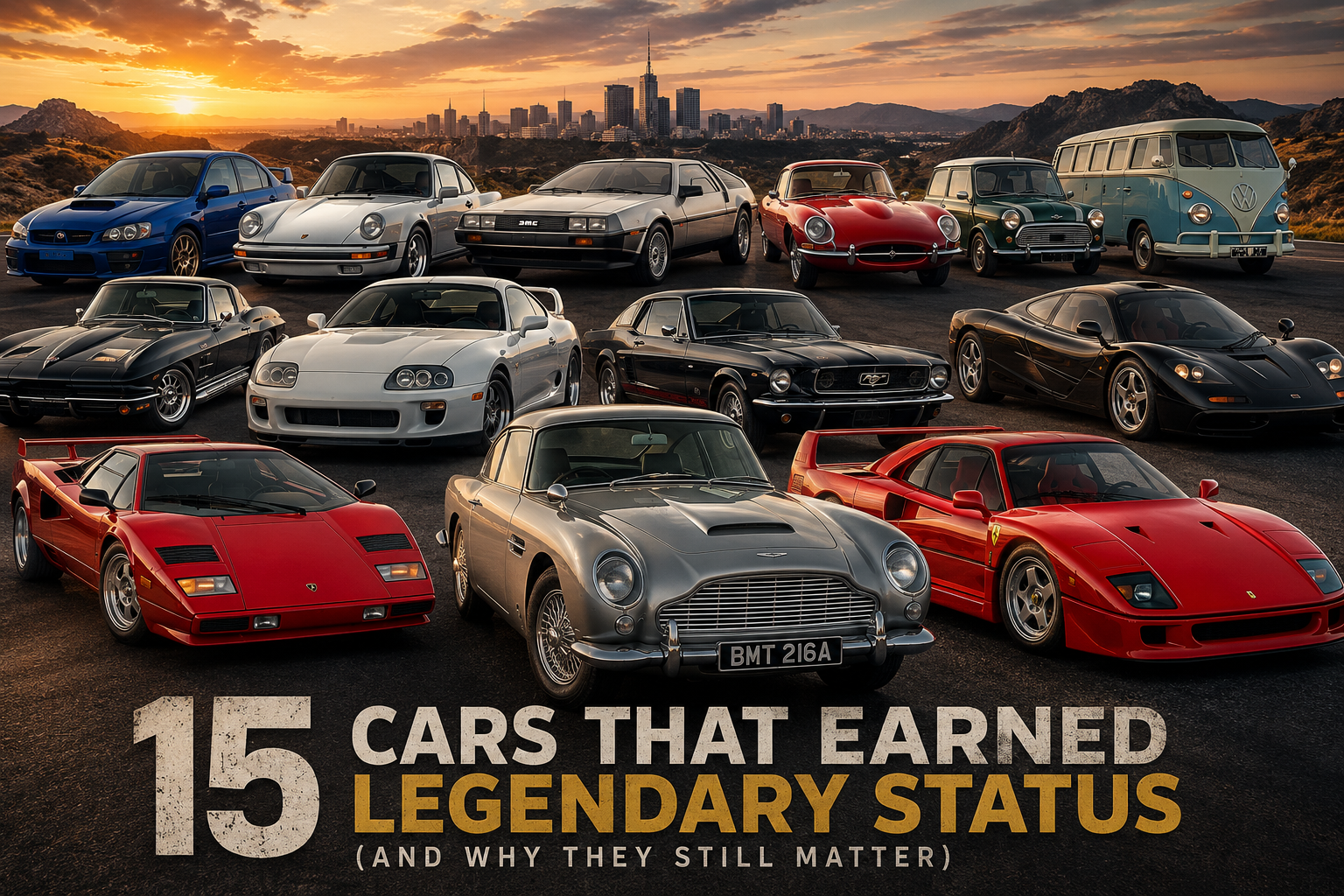
Most cars get old. A handful become legends. The difference isn’t sales figures or trophy cases — it’s whether a car changed what people expected from driving, and whether it’s still shaping conversations and design decades later.
We judged these fifteen against four standards: durability (does it survive real abuse and real mileage), comfort (did it move cabin design or ride quality forward for its time), power (did it reset expectations for its class), and reliability (would owners buy another one tomorrow, no hesitation). Not every car here wins all four — legends rarely do. But each one dominates at least two, and all fifteen left a permanent mark on the industry.
1. Porsche 911 (1964–Present)
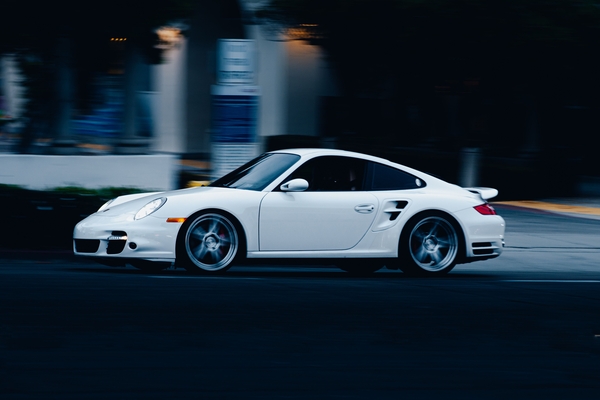
Sixty-plus years of continuous production, and the 911 has never lost its own plot. Rear-mounted flat-six, that silhouette everyone can sketch from memory, the same basic DNA running from the first air-cooled cars to today’s turbocharged ones. Few products in any industry can claim that kind of consistency without going stale.
The original 1964 car made just 130 horsepower — modest even for its era. Today’s Turbo S clears 500. What hasn’t changed is the engineering obsession underneath: air-cooled 911s from the ’70s and ’80s routinely cross 200,000 miles with nothing more than an engine rebuild along the way. Owners complain about parts costs, sure, but almost never about the engine quitting on them. That’s the Porsche trade — you pay to keep it running perfectly, and it does.
2. Ford Mustang (1964½–Present)
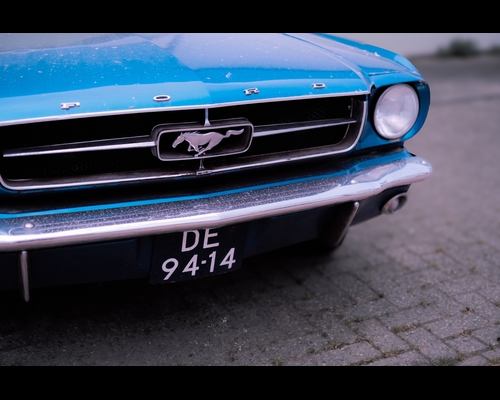
Ford sold roughly 22,000 units on the Mustang’s first day on sale — a number that still sounds made up. It didn’t just sell well; it invented an entire category. “Pony car” wasn’t a term before April 1964. It was after.
Comfort was never really the pitch here, and it still isn’t. What the Mustang offers is straightforward: an accessible V8, a simple mechanical layout that’s easy to fix and even easier to modify, and enough aftermarket support that virtually any part for any model year still exists somewhere. From the original 289 to the Shelby GT500’s supercharged 760-horsepower monster, the formula hasn’t changed — give people affordable power, and they’ll show up.
3. Chevrolet Corvette (1953–Present)
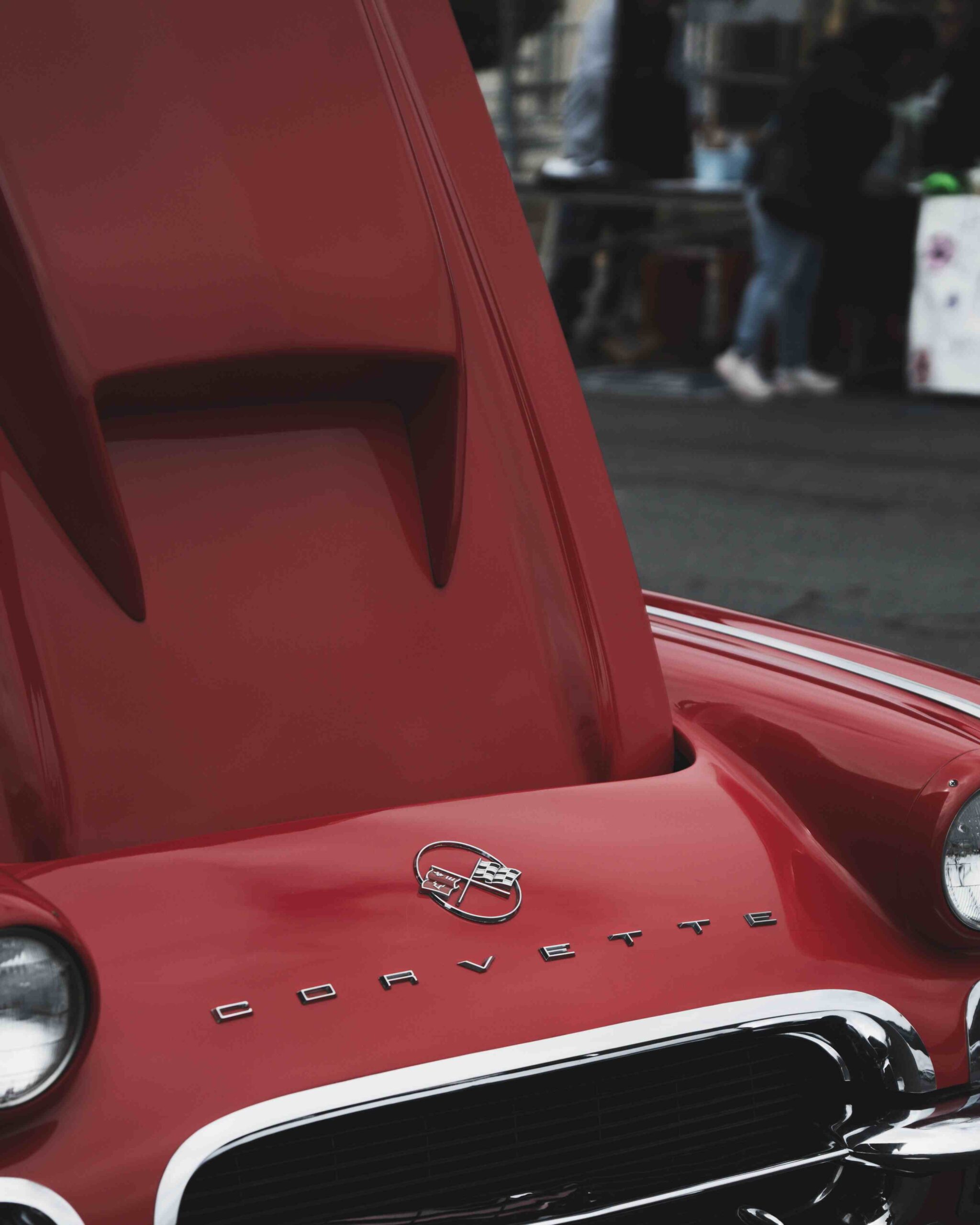
America’s only continuously built sports car, and proof that Detroit could go toe-to-toe with European exotics at a fraction of the price. That’s been the entire pitch since 1953, and it’s aged well.
Fiberglass and composite bodies mean Corvettes shrug off the rust issues that plague their steel-bodied contemporaries — a real durability edge most buyers don’t think about until decades later. The C6 through C8 generations finally added interiors that don’t feel like an afterthought, addressing the one real weakness of earlier cars. And under the hood, GM’s small-block V8 family has quietly become one of the most bulletproof engines in mass production, generation after generation.
4. Volkswagen Beetle (1938–2003)
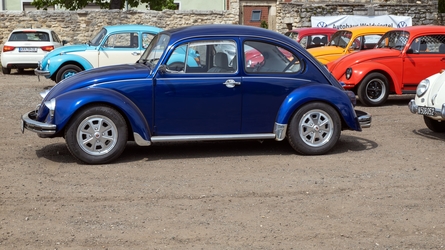
More than 21.5 million built over 65 years — the longest production run of any single automotive design platform in history. That number alone should end most debates about what “legendary” means, but the Beetle’s real legacy is cultural: it motorized post-war Europe, then somehow became a countercultural symbol in 1960s America.
It was never fast. Nobody bought one expecting that. What they got instead was an air-cooled engine simple enough to run for decades with minimal intervention — which is exactly why Beetles are still daily-driven across parts of Latin America today, long after the last one rolled off the Mexican assembly line in 2003.
5. Toyota Land Cruiser (1951–Present)
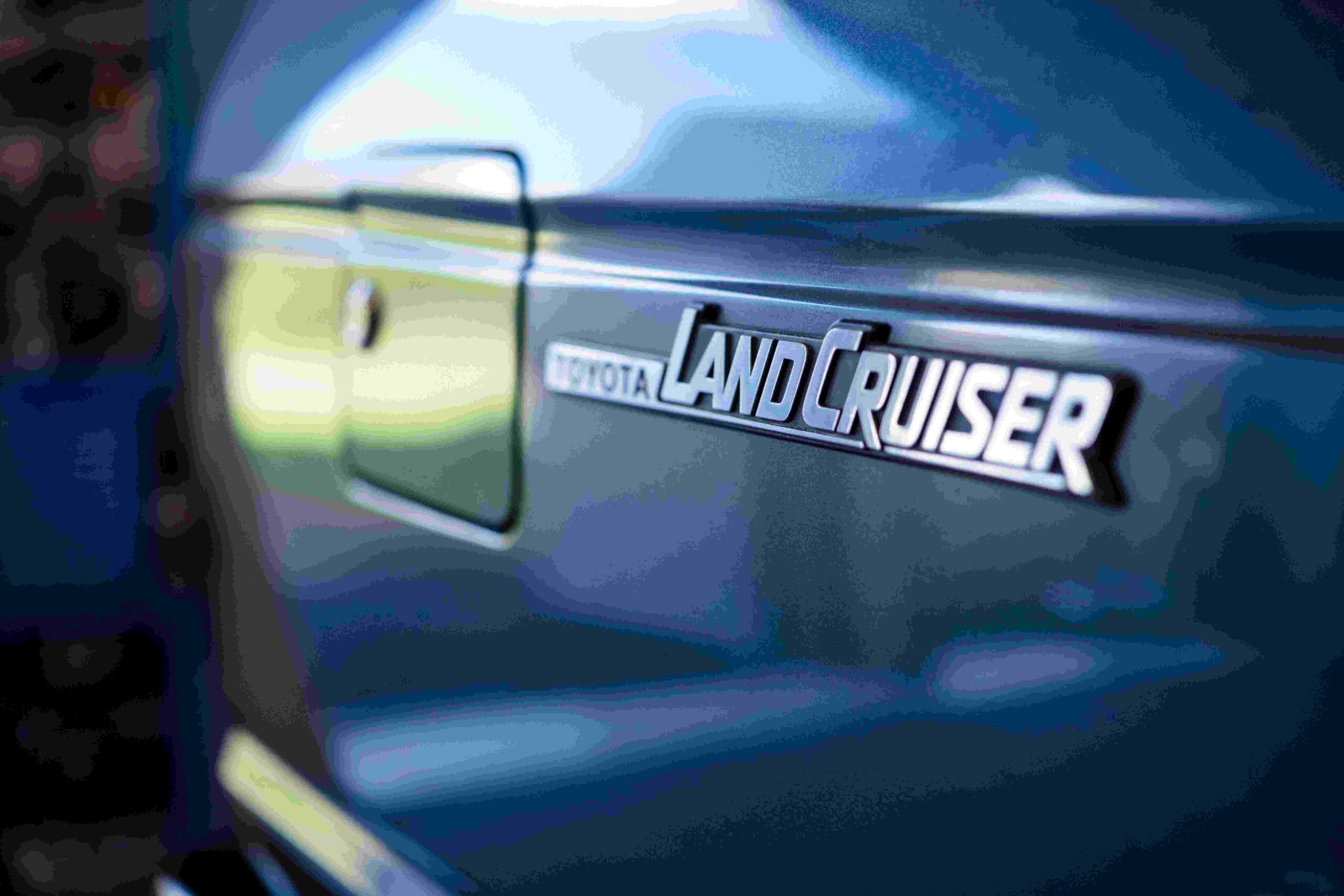
The UN uses it. Aid organizations use it. Militaries across multiple continents use it. Not because it’s exciting — because it simply refuses to stop working, in any climate, on any terrain, for as long as anyone’s kept records.
Land Cruisers with 300,000-plus miles on their original drivetrains aren’t rare stories in Africa or the Middle East; they’re the norm. Reliability surveys consistently rank the Land Cruiser among the most dependable vehicles ever built, and while it’s never chased horsepower numbers, its low-range torque and off-road capability have set the standard other manufacturers still measure themselves against.
6. Land Rover Defender (1983–2016, revived 2020)
Farmers used it. Armies used it. It’s been driven in Antarctica. If there’s a harsher test for “go anywhere” capability than that résumé, we haven’t found it.
Comfort was never on the agenda for the classic Defender — you bought one for what it could survive, not how it felt on a Tuesday commute. The boxed steel chassis and aluminum body panels held up to decades of off-road punishment, though the trade-off was a demanding maintenance schedule; this is a vehicle built to be field-repaired, not babied.
7. Jeep Wrangler / CJ (1945–Present)
Trace the lineage back far enough and you land on the WWII military Jeep — which makes the Wrangler the only vehicle on this list with an 80-year unbroken thread of solid axles and body-on-frame construction built specifically for rough terrain.
That simplicity is the whole appeal. Solid axles and straightforward mechanicals mean a Wrangler is about as easy to keep running indefinitely as anything on the road, even if the ride on pavement has always been rough by design. Modern versions — especially the 392 V8 — finally deliver real power to match the capability, something earlier generations never quite managed.
8. BMW E30 M3 (1986–1991)
BMW built this one to homologate its touring car racer for the street, and somehow the byproduct became the benchmark every “driver’s car” since has been measured against.
Numbers-wise it’s nothing dramatic: 192 to 238 horsepower depending on market, tiny by today’s standards. But the S14 four-cylinder underneath is famously robust when maintained properly, and E30 chassis have become prized restoration projects for exactly that reason — so many survived in genuinely good shape that values have climbed steadily for years. That’s a quiet endorsement of how well BMW built these in the first place.
9. Ferrari 250 GTO (1962–1964)
Only 36 were ever built. One sold in a private transaction for a reported $70 million in 2018, and the public auction record for a GTO now sits at $51.7 million — both among the highest prices ever paid for a car, period.
It wasn’t built for longevity; it was built to win, and it did — dominating GT racing throughout the early ’60s. Every ounce of unnecessary weight was stripped out, which means comfort was never part of the conversation. What’s remarkable is that well-maintained examples are still track-driven today, over sixty years later, a testament to hand-built engineering that’s held up far better than anyone in 1962 could have predicted.
10. Mercedes-Benz 300SL “Gullwing” (1954–1957)
The first production car with direct fuel injection, and the reason gullwing doors are instantly recognizable even to people who’ve never sat in one. At launch, it was the fastest production car in the world — full stop.
215 horsepower and a genuine 160 mph top speed sound unremarkable now, but in 1954 those numbers were borderline alien. Mercedes matched that performance with a cabin that actually felt upscale, unusual for a sports car of that era. Surviving examples are shockingly well preserved today, which says something about how meticulously these were built in the first place.
11. Ford Model T (1908–1927)
Forget “legend” for a second — the Model T created the entire concept of mass-market car ownership. Assembly-line production dropped the price low enough that working families could finally afford one, something that simply hadn’t existed before.
It wasn’t comfortable, and 20 horsepower wasn’t going to impress anyone even by 1920s standards. None of that mattered. What mattered was that farmers and small-town mechanics across America could repair one with basic tools, on rutted roads that would have destroyed anything more delicate. Simplicity was the entire innovation.
12. Mini Cooper (Original, 1959–2000)
Alec Issigonis’s transverse-engine, front-wheel-drive layout became the template that nearly every small car on the planet still follows today — that’s the kind of influence most engineers only dream about.
On paper, the numbers were modest. On a rally stage, none of that mattered: the Mini’s low weight let it embarrass far more expensive machinery, including three outright Monte Carlo Rally wins. It was simple enough mechanically to stay cheap to maintain across income levels, which is a big part of why it stuck around in production for four decades without losing its identity.
13. Nissan Skyline GT-R, R32–R34 (1989–2002)
Australian press nicknamed it “Godzilla” after it dominated touring car racing so thoroughly that other manufacturers essentially stopped competing. Officially, the RB26DETT engine was rated at 276 horsepower — a number capped by an industry gentleman’s agreement rather than reality; actual output was widely understood to run well north of 300.
The engine has become a tuning legend in its own right, known for handling far more power than stock with the right supporting modifications. Unlike a lot of its rivals, it was genuinely usable as a daily driver, not just a track weapon with license plates. Age has caught up with some of the turbo and electronic systems, so today’s examples need more upkeep than they once did — but the underlying engineering still holds up.
14. Honda Civic (1972–Present, especially Si/Type R)
A small, affordable, fuel-efficient car that’s also genuinely fun to drive and nearly impossible to kill — that combination shouldn’t be as rare as it is, but almost no competitor has matched it across five decades of trying.
Civics regularly cross 300,000 miles with nothing more than routine maintenance, and it shows up constantly in owner surveys as one of the most-cited high-mileage cars on the road. The Type R variants somehow deliver genuine performance-car numbers out of a four-cylinder engine, which is a rarer trick than it should be. Generation after generation, it’s stayed near the top of every reliability ranking that exists.
15. Toyota Corolla (1966–Present)
Over 50 million sold, making it the best-selling car nameplate in history — full stop, no asterisk. It’s not glamorous. It’s just never let anyone down, anywhere in the world, for almost 60 straight years.
Power was never the pitch, and it still isn’t. Corollas hitting 300,000-plus miles on their original engine is common enough to be a running joke among owners rather than a genuine surprise. What the Corolla actually sells is boring, relentless competence — and every major reliability study for decades has confirmed that’s exactly what buyers are getting.
Quick Comparison Table
| Model | Years | Known For | Best Category |
| Porsche 911 | 1964–present | Unbroken design lineage | Power/Durability |
| Ford Mustang | 1964–present | Affordable performance | Power |
| Chevrolet Corvette | 1953–present | American sports car | Power |
| VW Beetle | 1938–2003 | Global mass mobility | Reliability |
| Toyota Land Cruiser | 1951–present | Global indestructibility | Durability |
| Land Rover Defender | 1983–2016 | Off-road capability | Durability |
| Jeep Wrangler | 1945–present | Military-to-civilian legacy | Durability |
| BMW E30 M3 | 1986–1991 | Homologation special | Comfort/Handling |
| Ferrari 250 GTO | 1962–1964 | Racing pedigree | Power |
| Mercedes 300SL | 1954–1957 | Engineering firsts | Comfort |
| Ford Model T | 1908–1927 | Mass-market origin | Reliability |
| Mini Cooper | 1959–2000 | Space-efficient design | Reliability |
| Nissan Skyline GT-R | 1989–2002 | Japanese performance | Power |
| Honda Civic | 1972–present | High-mileage reliability | Reliability |
| Toyota Corolla | 1966–present | Best-selling nameplate | Reliability |
Honorable Mentions
A few more that just missed the cut but deserve a mention before the comments section fills up asking where they are:
- Ford F-150 — America’s best-selling vehicle for over 40 straight years running
- Volvo 240 — the safety and durability benchmark of the ’70s and ’80s
- Chevrolet Bel Air — the 1950s American design icon everyone pictures first
- Toyota Hilux — the “indestructible truck” that Top Gear couldn’t kill, try as they might
- Lamborghini Countach — the poster-on-the-wall car that defined an entire era of supercars
FAQ
What actually makes a car “legendary” instead of just popular? Sales numbers alone don’t cut it. A truly legendary car changes what an entire category of vehicle is expected to do. The Mustang created the pony car segment out of nothing. The Mini rewrote how small cars use interior space. The Land Cruiser redefined what “unbreakable” even means in a vehicle.
Which of these is easiest to buy today without spending a fortune? The Corolla and Civic, hands down. Both are widely available secondhand for modest money, and both still deliver the exact reliability that earned them a spot on this list in the first place.
Which car here is hardest to actually find? The Ferrari 250 GTO. Only 36 were built, and nearly all of them sit in private collections or museums — they almost never change hands, and when they do, it’s rarely public.
Final Word
If we had to name one car that hits all four criteria at once, it’s the Toyota Land Cruiser — durable enough for war zones, comfortable enough for luxury buyers, capable enough off-road to matter, and trusted enough that governments hand it responsibility for actual lives. But legendary status was never really about consensus. The Ferrari 250 GTO and the Ford Model T earned their spots for completely opposite reasons, and that contradiction is kind of the whole point.
Which car do you think got snubbed? Drop it in the comments — and check out the full video breakdown on the channel, where we take three of these legends out for a real-world test.