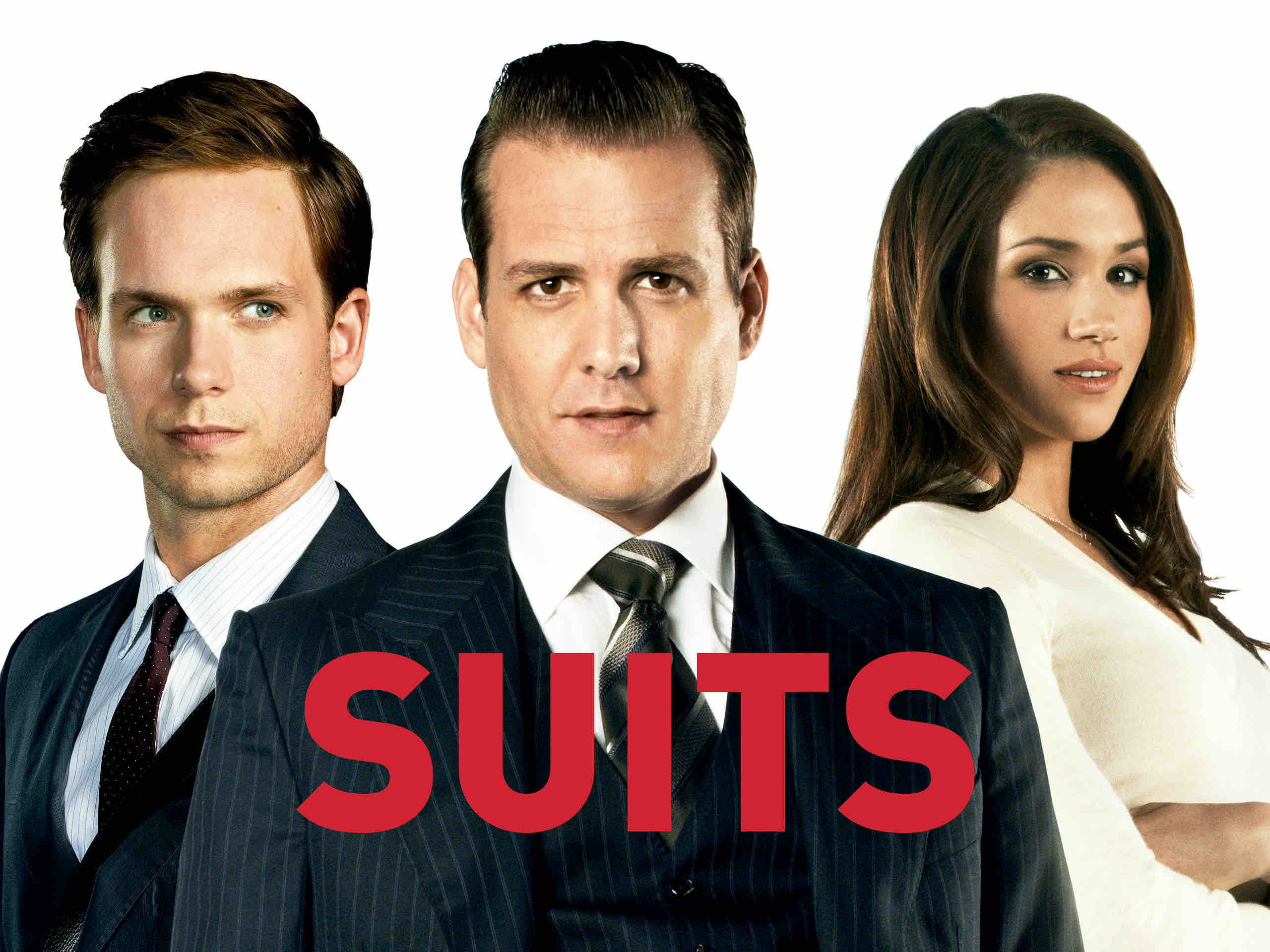
For years, Suits stood as one of television’s most stylish legal dramas—a world where razor-sharp dialogue, tailored suits, and high-stakes corporate warfare collided in glass-walled offices high above Manhattan. When it first aired in 2011, it redefined what a legal drama could look and feel like: faster, smarter, and more character-driven than its predecessors. Now, with its newest season (or revival), Suits returns—not just as a continuation, but as a reflection of a changed world, both inside and outside the courtroom.
This new chapter isn’t merely about revisiting familiar faces or reliving past glory. It’s about evolution—of characters, of the legal landscape, and of ambition itself.
A World That Has Changed
When Suits originally ended in 2019, the legal and corporate world it portrayed still revolved around traditional power structures—corner offices, handshake deals, and dominance through prestige. But today’s environment is different. Technology, public accountability, and shifting workplace dynamics have transformed how law firms operate.
The newest season leans into this reality. Cases are no longer just about billion-dollar mergers or corporate espionage; they also touch on digital privacy, whistleblowing, startup culture, and the blurred line between legality and ethics in the modern age. The show acknowledges that power is no longer confined to old-money institutions—it’s decentralized, volatile, and often unpredictable.
This shift gives the series a fresh urgency. The courtroom battles feel less like rehearsed performances and more like clashes in a rapidly changing system where even the most seasoned lawyers can lose their footing.
The Legacy Characters: Older, Wiser, but Not Safer
One of the biggest draws of Suits has always been its characters—flawed, brilliant, and fiercely loyal (until they’re not). The return of iconic figures, particularly Harvey Specter and Donna Paulsen, brings both nostalgia and tension.
Harvey, once the untouchable closer, now faces a different kind of challenge: maintaining relevance. The new season portrays him not as a fading legend, but as a man forced to adapt. His confidence remains intact, but there’s a subtle shift—less arrogance, more calculation. Experience has made him sharper, but also more aware of consequences.
Donna, on the other hand, continues to evolve beyond her original role. No longer just the firm’s emotional compass, she emerges as a strategic force in her own right. Her decisions carry weight—not just in relationships, but in the firm’s survival.
Even in their maturity, these characters are not immune to risk. If anything, they have more to lose now—reputation, legacy, and the fragile balance they’ve fought to maintain.
The Next Generation: Hungry, Brilliant, Dangerous
A defining strength of the new season is its introduction of younger lawyers—ambitious, tech-savvy, and far less bound by tradition. These characters don’t revere the legends of the firm; they challenge them.
Where Harvey once broke the rules with style, this new generation breaks them with efficiency. They don’t just bend the system—they redesign it. Their approach is less about theatrics and more about results, often using unconventional strategies that unsettle the old guard.
This generational clash becomes one of the season’s central conflicts. It’s not simply about age—it’s about philosophy. What does it mean to win? Is it about dominance, survival, or something else entirely?
The Return of Moral Ambiguity
Suits has always thrived in gray areas. Its characters often operate in ethically questionable territory, justifying their actions in the name of loyalty, justice, or victory. The new season doubles down on this ambiguity.
Cases are no longer clean-cut. Clients are not always sympathetic. And victories often come at a cost that lingers long after the deal is closed.
The show raises uncomfortable questions:
- Is winning still worth it if the system itself is flawed?
- Can integrity survive in a world built on negotiation and compromise?
- And perhaps most importantly—who gets to define justice?
These themes resonate more strongly today, in an era where public perception and accountability can shift overnight.
Style Meets Substance
Visually and tonally, Suits hasn’t lost its edge. The signature elements remain:
- Sharp, fast-paced dialogue
- Impeccable fashion (still a character in its own right)
- Tension-filled negotiations that feel like verbal chess matches
But there’s also a noticeable maturity. The pacing allows for deeper character moments, and the stakes feel more personal. The show isn’t just about who wins—it’s about what winning does to a person.
Final Verdict
The newest season of Suits is not just a revival—it’s a reinvention. It honors what made the original series compelling while embracing the realities of a new era.
It reminds us why we were drawn to these characters in the first place: not because they were perfect, but because they were relentless. Because they fought. Because they adapted.
And in a world where the rules are constantly changing, that might be the most important skill of all.