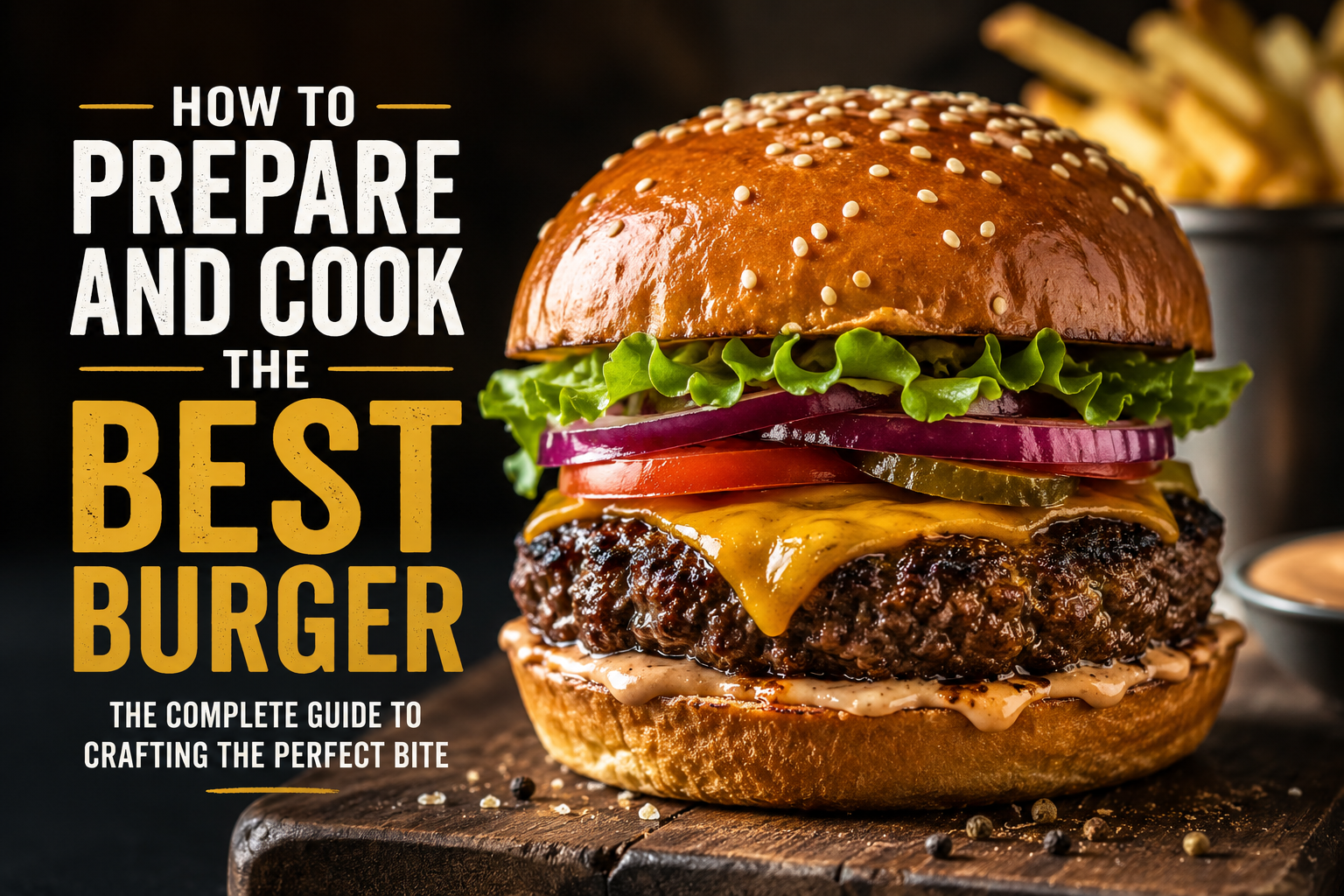
Why a Great Burger Is More Than Just Fast Food
Few foods in the world are as universally loved as the burger. It crosses cultures, generations, and personal tastes. From roadside burger stands and backyard cookouts to gourmet restaurants charging premium prices, the burger has become far more than a simple sandwich. At its best, a burger is a carefully balanced combination of flavor, texture, aroma, and technique.
Many people assume restaurant burgers are automatically superior because chefs have professional kitchens and expensive equipment. Surprisingly, some of the best burgers ever made come from home kitchens. Why? Because making a truly great burger is less about complexity and more about understanding a few important principles.
A perfect burger is built on harmony. The meat must be juicy and flavorful. The bun should support without overwhelming. Toppings should complement rather than compete. Cooking should create a rich crust while preserving tenderness inside.
This guide will walk through every step—from choosing the meat to assembling the final burger—so you can create a burger that rivals or even surpasses those from top restaurants.
The Foundation of Greatness: Understanding What Makes a Perfect Burger
Before cooking begins, it helps to understand what separates an ordinary burger from an unforgettable one.
The Four Essential Components
A burger may look simple, but four parts determine its success:
The Meat or the Patty
That is the golden rule of burger making. You can stack a burger with artisanal cheeses and heirloom tomatoes, but if the patty is dry or bland, the whole thing collapses structurally and micro-biologically in terms of flavor.
To really understand what makes the meat the undisputed centerpiece, we have to look at the three pillars that define a world-class patty: the blend, the fat ratio, and the crust.
The meat is the centerpiece. Everything else supports it. If the beef lacks flavor or moisture, no amount of toppings can save the burger.
The Bun
The bun acts as both structure and flavor component. A poor bun can collapse, become soggy, or overpower the meat.
The Toppings
Toppings add contrast and personality. Fresh vegetables, cheese, sauces, and extras should enhance—not dominate.
The Cooking Technique
The method used changes flavor dramatically. Grilling, smashing, pan-searing, and griddling each create unique textures.
Why Simplicity Often Wins
One of the biggest mistakes people make is trying to build a burger with too many ingredients.
Towering burgers loaded with ten toppings often look impressive in photos but become messy and unbalanced.
Some of the world’s most celebrated burgers rely on:
- Excellent beef
- Salt
- Cheese
- One or two toppings
- A quality bun
Simplicity allows each ingredient to shine.
The Difference Between a Good Burger and an Unforgettable Burger
Memorable burgers balance several factors:
Flavor
Rich meatiness paired with seasoning and toppings.
Texture
Crunch from vegetables, softness from bread, crispness from crust.
Moisture
Juicy meat balanced by ingredients that prevent sogginess.
Great burgers engage all the senses simultaneously.
Choosing the Right Meat: The Heart of Every Great Burger
Why Beef Quality Matters
The burger begins and ends with the beef.
Fresh beef generally produces better flavor and texture than frozen alternatives. While frozen meat works in a pinch, freshly ground meat retains moisture and cooks more evenly.
Grass-Fed vs Grain-Fed
Grass-fed beef often has:
- More mineral notes
- Leaner texture
- Stronger beef flavor
Grain-fed beef often delivers:
- Richer marbling
- More fat
- Greater juiciness
Neither is objectively superior; preference matters.
Understanding Fat Ratios
Fat is not the enemy of burgers.
Fat creates:
- Flavor
- Moisture
- Tenderness
For burgers, many chefs recommend:
80% lean / 20% fat
This ratio provides enough fat to keep burgers juicy without becoming greasy.
Too lean:
- Dry texture
- Tough bites
Too fatty:
- Excess grease
- Shrinking during cooking
Balance matters.
Best Cuts for Burger Grinding
Professional burger makers often blend cuts.
Popular options include:
Chuck
Reliable beef flavor and ideal fat content.
Brisket
Adds rich depth and strong beefiness.
Short Rib
Provides buttery richness.
Sirloin
Adds a lean, clean flavor.
Many burger enthusiasts combine:
- 50% chuck
- 25% brisket
- 25% short rib
Custom blends can dramatically elevate flavor.
Grinding Your Own Meat
Grinding fresh meat at home allows complete control.
Benefits:
- Fresher flavor
- Better texture
- Fat ratio customization
- Improved quality control
Basic process:
- Chill meat cubes thoroughly
- Grind partially frozen pieces
- Keep equipment cold
- Handle gently
Cold meat prevents fat from smearing.
Forming the Perfect Patty
Why Overworking Meat Ruins Burgers
A common mistake is squeezing meat tightly.
Excess handling:
- Compresses protein
- Removes air pockets
- Creates dense texture
Think of shaping rather than packing.
Handle meat gently.
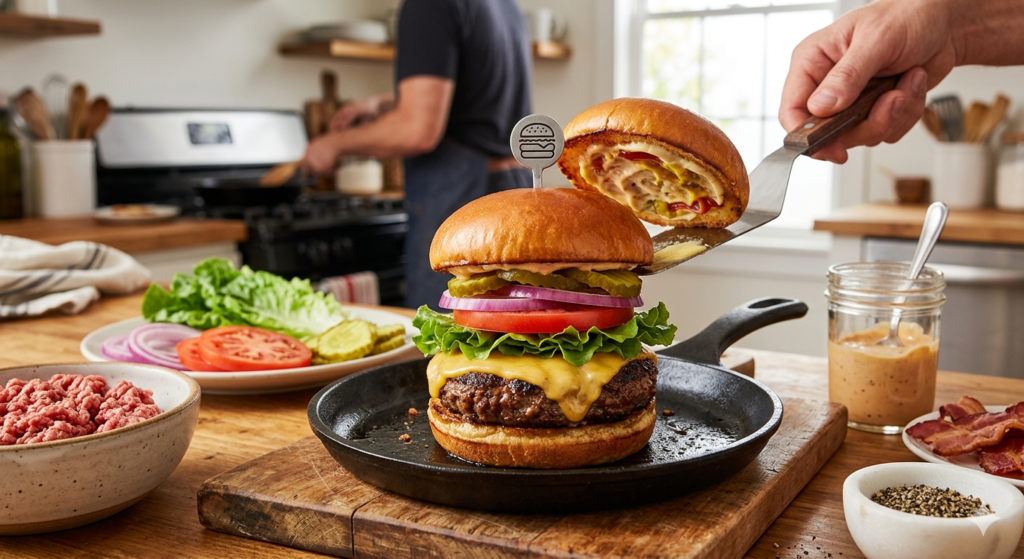
Step-by-Step Patty Shaping
Weight
Typical burger sizes:
Quarter-pound: 4 ounces
Restaurant-style: 6–8 ounces
Large gourmet: 8–10 ounces
Thickness
Keep patties slightly wider than buns because meat shrinks during cooking.
Aim for:
¾–1 inch thickness for traditional burgers.
The Thumbprint Trick
Press a shallow indentation into the center.
As meat cooks, proteins tighten and pull inward.
The thumbprint:
- Prevents puffing
- Promotes even cooking
- Maintains shape
Simple but highly effective.
Seasoning Correctly
Many people under-season burgers.
Salt enhances natural beef flavor.
Season generously immediately before cooking.
Avoid salting far in advance because it can alter texture and draw moisture out.
Often the best seasoning is simply:
- Kosher salt
- Fresh black pepper
Great beef needs little else.
Choosing Your Burger Style
Different styles create entirely different experiences.
Classic Thick Pub-Style Burgers
Characteristics:
- Thick patties
- Juicy centers
- Medium cooking temperatures
Best for:
People wanting substantial bites and pronounced beef flavor.
Smash Burgers
Smash burgers became famous for a reason.
They are cooked by pressing meat onto a very hot surface.
Benefits:
- Crispy edges
- Deep caramelization
- Thin texture
- Intense flavor
Gourmet Burgers
Gourmet burgers use elevated ingredients:
- Specialty cheeses
- Truffle aioli
- Exotic mushrooms
- Unique sauces
These offer creativity but require balance.
The Secret Weapon: Selecting the Perfect Bun
Many burgers fail because of poor bread.
Buns must support moisture while contributing flavor.
Popular choices include:
Brioche
Soft and slightly sweet.
Potato buns
Light and fluffy.
Sesame buns
Traditional and versatile.
Pretzel buns
Chewy and hearty.
Why Toasting Matters
Never skip toasting.
Benefits:
- Prevents sogginess
- Adds texture
- Creates slight crispness
- Improves structural strength
Even thirty seconds on heat makes a major difference.
The Art of Cheese Selection
Cheese is the ultimate culinary glue, bridging the savory patty to the rest of the burger. The art lies in balancing flavor with meltability; a great burger cheese must liquefy easily to drape over the meat, locking in moisture. While classic American cheese remains the champion for its silky, flawless melt, sharper options like aged Cheddar, pungent blue, or earthy Swiss can redefine the burger’s character entirely.
The secret is matching the cheese’s intensity to the beef. A rich, buttery short-rib blend handles a sharp, cave-aged Cheddar beautifully, while a classic chuck patty shines brightest with a mild, gooey slice that doesn’t compete for the spotlight. Ultimately, the cheese should enhance the beef’s crust with a creamy, rich stretch in every bite—never overpower it.
Cheese adds richness and creaminess.
Popular options:
American Cheese
Excellent meltability.
Cheddar
Sharp and flavorful.
Swiss
Nutty flavor.
Pepper Jack
Adds spice.
Understanding Melt Quality
Some cheeses taste wonderful but melt poorly.
American cheese often works best because of its smooth melting characteristics.
The goal is silky coverage—not oily separation.
Building Layers of Flavor Through Toppings
Toppings should create contrast.
Traditional options:
- Lettuce
- Tomato
- Onion
- Pickles
Advanced options:
- Bacon
- Caramelized onions
- Mushrooms
- Fried onions
- Avocado
Each should serve a purpose.
Texture Balance
Ideal burgers combine:
Crunch + Creaminess + Acidity + Savory richness
For example:
Pickles provide acid.
Lettuce creates crunch.
Cheese adds creaminess.
Meat provides richness.
Sauce: The Hidden Hero
Sauce often ties the entire burger together.
Classic choices:
- Ketchup
- Mustard
- Mayo
Restaurant burgers frequently use signature blends.
Simple special sauce:
Mix:
- Mayonnaise
- Ketchup
- Mustard
- Pickle relish
- Garlic powder
- Paprika
The result creates complexity without effort.
Cooking Methods: Which Technique Creates the Best Burger?
Grilling
Advantages:
- Smoke flavor
- Charred exterior
- Outdoor cooking experience
Charcoal usually produces deeper flavor than gas.
Cast-Iron Skillet
Many chefs love cast iron because it creates:
- Strong crust formation
- Even heating
- Consistent cooking
Some restaurant-quality burgers are made entirely indoors.
Flat Top Griddle
Ideal for smash burgers because of:
- Direct contact
- Maximum caramelization
- Crispy edges
Step-by-Step Guide: Cooking the Ultimate Burger
Step 1:
Shape patties gently.
Step 2:
Preheat surface thoroughly.
Cold surfaces produce weak crusts.
Step 3:
Season immediately before cooking.
Step 4:
Place burgers down and leave them alone.
Avoid moving them.
Step 5:
Flip once.
Frequent flipping interrupts crust development.
Step 6:
Add cheese during the last minute.
Cover briefly to melt.
Step 7:
Toast buns separately.
Step 8:
Rest burgers for a minute.
This allows juices to settle.
Step 9:
Assemble strategically.
Burger Assembly: Does Order Matter?
Yes.
Recommended structure:
Bottom bun
Sauce
Lettuce
Burger patty
Cheese
Tomatoes
Onions
Pickles
Top sauce
Top bun
This arrangement protects bread from moisture.
Common Mistakes That Ruin Burgers
Pressing burgers while cooking
This squeezes out juices.
Flipping constantly
Causes uneven crust.
Overloading toppings
Creates imbalance.
Using weak buns
Leads to collapse.
Overcooking
Destroys moisture.
Side Dishes That Complete the Experience
Great burgers deserve companions.
Popular pairings:
- French fries
- Onion rings
- Sweet potato fries
- Coleslaw
- Potato wedges
- Milkshakes
A complete meal elevates the overall experience.
Pro Chef Secrets for Restaurant-Quality Burgers
Professional cooks often use hidden techniques:
Butter brushing
Adds richness.
Double stacking
Creates more crust surface.
Dry-aging
Produces concentrated beef flavor.
Temperature precision
Use thermometers instead of guessing.
Small details create enormous differences.
Great Burgers Are Crafted, Not Accidentally Made
A truly unforgettable burger rarely happens by chance. It comes from understanding ingredients, respecting technique, and paying attention to small details.
Great burgers do not require expensive equipment or exotic ingredients. They require care.
Choose quality meat. Handle it gently. Cook with patience. Build with purpose.
Master these fundamentals, and your kitchen may become home to the best burger you’ve ever tasted.