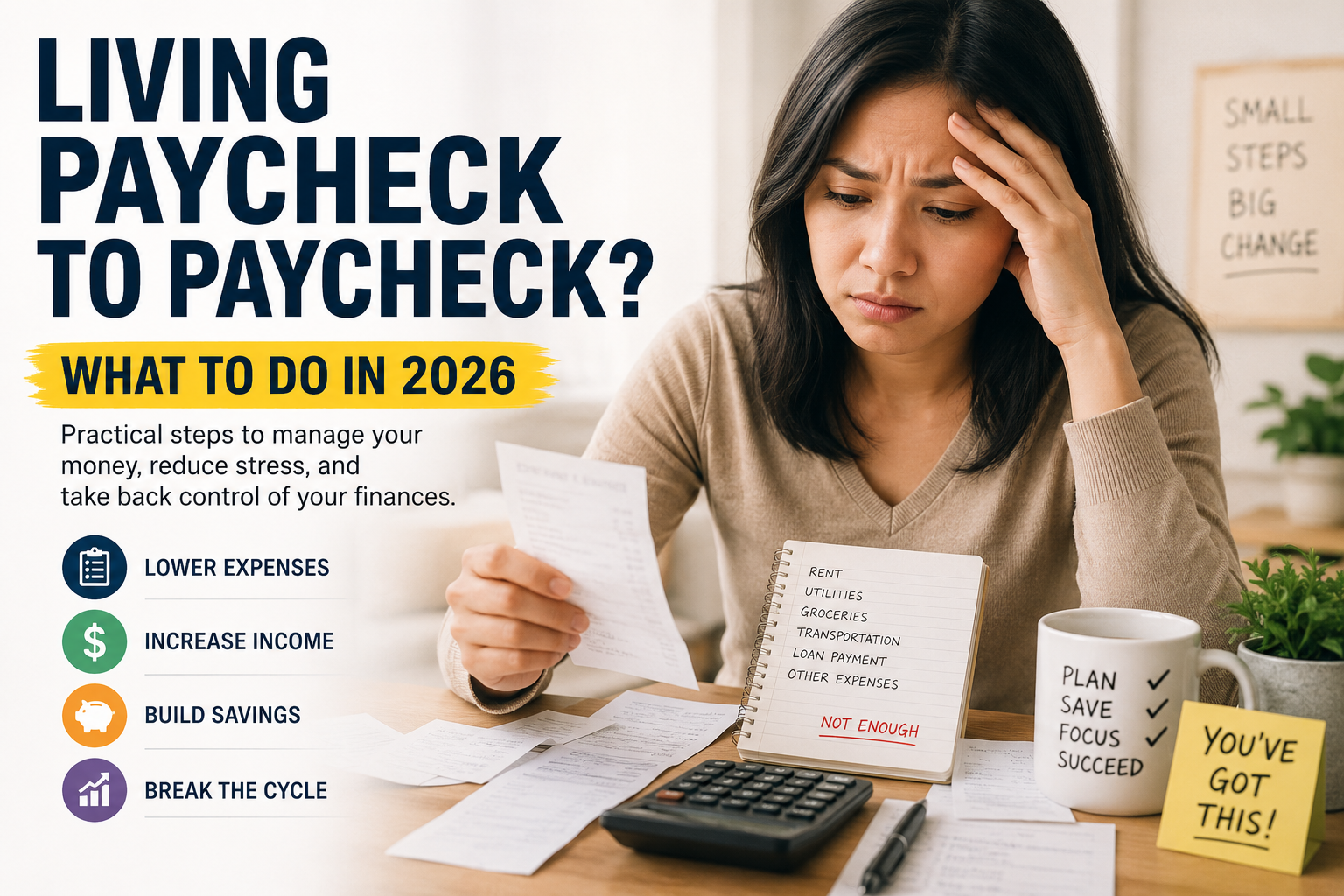
What to Do When Living Paycheck to Paycheck: A Practical Survival and Recovery Guide for 2026
I. Introduction: Why More People Are Living Paycheck to Paycheck Than Ever
Living paycheck to paycheck means that an individual’s or household’s entire income is consumed by their immediate expenses, leaving virtually nothing left over for savings or investments. When you are caught in this cycle, a delay of even a single day in receiving your salary can trigger a severe financial crisis. It creates a precarious situation where you are constantly trading today’s labor directly for yesterday’s liabilities.
Contrary to popular belief, this financial trap is not exclusive to low-wage earners; it increasingly affects middle- and high-income households as well. Higher earners often fall victim to lifestyle inflation or heavy institutional debts, such as substantial student loans and large mortgages, which quickly drain their higher salaries. Consequently, earning a six-figure income in 2026 no longer guarantees financial security if the baseline cost of maintaining that life consumes every dollar.
2026 Macroeconomic Pressures:
├── Groceries & Utilities ──> Squeezing daily cash flow
├── Housing & Rent        ──> Consuming >30% of take-home pay
└── Subscriptions & Debt  ──> Creating silent monthly drains
The economic landscape of 2026 has intensified these pressures, making standard living costs exceptionally difficult to manage. Grocery prices remain stubbornly high, housing and rental rates continue to swallow disproportionate chunks of take-home pay, and utility expenses have risen sharply. Furthermore, the modern consumer faces unique drains like subscription overload and mounting credit card debt, which compound the financial strain.
Recent labor trends indicate that financial stress is widespread among modern workers and families across various sectors. Layoffs in formerly stable industries and the unpredictable nature of the modern gig economy have left many households feeling vulnerable. This guide is designed to provide practical, actionable steps to help you regain control of your money, free from judgment, guilt, or blame.
II. Step One: Stop the Financial Panic and Assess the Situation
When bank accounts dwindle, financial fear often triggers a freeze-or-flight response that leads to incredibly poor money decisions. Out of anxiety, many individuals engage in stress spending as a temporary emotional coping mechanism to escape reality. Others avoid opening bills or stop checking their bank balances entirely, mistakenly believing that ignoring the math will make the problem disappear.
To break this paralyzing cycle, you must pause and take immediate, clear-headed actions to gauge where you stand. Begin by gathering every single outstanding bill, opening every paper or digital statement, and checking your live bank balances. List your upcoming obligations by their exact due dates so you can determine precisely how much available cash you have right now.
+-------------------------------------------------------+
|                 YOUR FINANCIAL SNAPSHOT               |
+-------------------------------------------------------+
|  [ Income Sources ]    ──> Salary, Freelance, Gigs     |
|  [ Essential Costs ]   ──> Housing, Food, Utilities    |
|  [ Debt Payments ]     ──> Minimums, Credit Cards     |
|  [ Discretionary ]     ──> Subs, Dining, Shopping      |
+-------------------------------------------------------+
Using this data, you will construct a comprehensive “financial snapshot.” This document must clearly itemize your exact income sources, mandatory debt payments, essential living expenses, nonessential spending, and any remaining savings. Transforming your vague financial fears into concrete numbers on paper drastically reduces anxiety, as clarity replaces the terrifying unknown with a manageable problem.
III. Identify the Real Cause of the Problem
Living paycheck to paycheck does not automatically mean that you are spending your money irresponsibly or lack discipline. It is vital to diagnose the root cause of your financial strain objectively rather than defaulting to self-blame. The problem typically stems from a mix of systemic economic factors, lifestyle habits, and unpredictable life events.
Income-Related Causes
- Wages Lagging Behind Inflation: Real wages have simply failed to keep pace with the cumulative inflation of recent years, meaning your purchasing power has diminished.
- Reduced Work Hours: Sudden cuts in scheduled shifts or corporate downsizing can unexpectedly shrink your expected monthly take-home pay.
- Freelance Income Instability: Relying on gig or contract work often causes extreme cash flow volatility, making regular budgeting incredibly difficult.
- Underemployment: Holding a position that underutilizes your skills or offers insufficient hours keeps your earning potential artificially suppressed.
Expense-Related Causes
- Aggressive Rent Increases: Landlords raising lease rates can suddenly absorb hundreds of extra dollars from your budget without warning.
- Rising Medical Costs: Out-of-pocket healthcare expenses and insurance deductibles can easily overwhelm a standard monthly income.
- Transportation Inflation: The rising costs of vehicle maintenance, insurance premiums, and fuel make commuting a major financial burden.
- Family Obligations: Caring for aging parents or raising children brings unpredictable, non-negotiable expenses that stretch funds to the limit.
Lifestyle Causes
- Impulse Purchasing: Routine, unplanned shopping trips or online buying sprees quickly add up and quietly derail your broader financial goals.
- Buy-Now-Pay-Later (BNPL) Habits: Committing to multiple micro-installment plans creates an illusion of affordability while quietly eating away at future paychecks.
- Subscription Accumulation: Forgetting to cancel unused streaming apps, software, or premium delivery services creates a constant, hidden leak.
- Social Media Influence: Algorithm-driven feeds constantly tempt consumers to spend money on trendy products to keep up appearances.
Unexpected Emergencies
- Sudden Car Repairs: A broken transmission or blown tire can immediately necessitate an emergency expenditure of hundreds of dollars just to stay mobile.
- Unplanned Health Expenses: Urgent care visits or dental emergencies frequently require immediate payment, throwing your monthly budget out of balance.
- Family Emergencies: Assisting a relative in a crisis or traveling for a sudden family matter can rapidly deplete your available cash reserves.
IV. Calculate Your Survival Budget
A survival budget is fundamentally different from a standard, everyday budget because it strips away everything except bare operational necessities. While a standard budget allocates funds for future goals, retirement, and entertainment, a survival budget operates in triage mode. Its singular purpose is to keep a roof over your head and ensure you live to fight another day financially.
During a crisis, your cash flow must focus exclusively on non-negotiable, must-pay expenses. This includes securing your housing, purchasing basic groceries, keeping utilities turned on, maintaining basic transportation, and buying essential medications. You must also allocate just enough to cover the absolute minimum payments on essential debts to prevent catastrophic defaults.
  [ FULL BUDGET ]             [ SURVIVAL BUDGET ]
┌─────────────────┐         ┌─────────────────┐
│ Streaming Apps  │         │                 │
│ Fine Dining     │         │  ■ Housing      │
│ ■ Housing       │  ───>   │  ■ Basic Food   │
│ ■ Basic Food    │         │  ■ Utilities    │
│ Gym Membership  │         │  ■ Medicine     │
│ ■ Utilities     │         │                 │
└─────────────────┘         └─────────────────┘
To make this work, you must ruthlessly implement temporary cuts across all discretionary areas. This means pausing all streaming subscriptions, eliminating frequent takeout or delivery meals, halting nonessential retail shopping, and canceling premium memberships. Utilizing this “Needs vs. Wants” emergency method ensures that you stop spending money on gym memberships or clothing sales when you are actively struggling to afford grocery basics.
V. Review Every Expense Line by Line
To execute a successful financial turnaround, you must conduct a meticulous financial audit of your bank and credit card statements from the past 90 days. This process requires you to categorize every single transaction into either fixed or variable buckets. Fixed expenses include rigid, recurring obligations like rent, insurance premiums, internet bills, and contractual loan payments. Variable expenses encompass fluctuating costs such as food, fuel, personal shopping, and discretionary entertainment.
As you comb through these statements, keep a sharp eye out for hidden money leaks that quietly drain modern bank accounts in 2026. Look closely for forgotten auto-renewing subscriptions, recurring delivery app service fees, and digital cloud storage charges. Microtransactions from mobile games, quick in-app purchases, and unused fitness memberships are also common culprits that silently siphon away dozens of dollars each month.
| Expense Category | Example Item | Audit Action Required |
| Fixed | Rent / Mortgage | Check for potential downsizing or roommate options |
| Fixed | Insurance Premium | Shop around for competing quotes to lower rates |
| Variable | Groceries / Food | Shift to meal planning and generic brands |
| Variable | Digital Purchases | Audit statement for auto-renews and app fees |
VI. Reduce Expenses Without Feeling Miserable
When trying to save money, it is vital to avoid the trap of extreme budgeting, which often does more harm than good. When you make your budget too restrictive by cutting out every single ounce of joy, you experience frugality fatigue and end up binge-spending out of frustration. The goal is to optimize your spending sustainably, finding clever ways to cut costs without making your daily life feel like a punishment.
Sustainable Budgeting:
Meal Planning + Utility Habits + Smart Shopping = Consistent Savings
(No extreme deprivation required)
Food costs are an excellent place to start making practical adjustments. You can secure massive savings by embracing intentional meal planning, purchasing pantry staples in bulk, and committing to minimizing household food waste. For utilities, small changes like adjusting your thermostat settings, washing clothes in cold water, and adopting energy-efficient habits can noticeably lower your monthly bills.
You can also find significant relief by rethinking your daily transportation expenses. Consider carpooling with colleagues, using public transit when viable, or asking your employer for work-from-home options to cut down on fuel and maintenance. Finally, change your shopping habits by enforcing a mandatory 48-hour waiting period before nonessential purchases, using price-comparison browser extensions, and routing unavoidable spending through reliable cashback apps.
VII. Increase Income Instead of Only Cutting Costs
While trimming expenses is an important first step, expense-cutting alone has a hard mathematical floor; you can only cut your spending down to zero. Earning more money, however, has no ceiling and provides the extra financial oxygen needed to permanently break the paycheck-to-paycheck cycle. Combining expense control with proactive income generation is the fastest way to build a reliable financial cushion.
The digital and local economies offer numerous side-hustle opportunities that are highly accessible. You can provide specialized freelance services online, leverage AI tools to assist with content creation, or design and sell digital assets like templates or printables. If you prefer in-person work, you can explore online tutoring, pick up local delivery shifts, or offer virtual assistance to busy business owners.
                    SKILL HARVESTING

   Your Practical Skills        Monetization Channel
  ┌──────────────────────┐    ┌────────────────────────┐
  │ Writing / Design     │───>│ Freelance Marketplaces │
  │ Photography          │───>│ Stock Sites / Local UI │
  │ Teaching / Organizing│───>│ Tutoring / Consulting  │
  └──────────────────────┘    └────────────────────────┘
Take a close look at your existing skillset to see how you can convert your talents into immediate cash flow. If you have experience in writing, graphic design, photography, video editing, or teaching, there are platforms waiting to connect you with paying clients. Additionally, you can raise fast capital by decluttering your living space and selling unused clothing, old electronics, and extra furniture on local marketplaces.
VIII. What To Do If Debt Is Eating Your Paycheck
It is crucial to recognize the warning signs that your debt has escalated from a minor hassle into a genuine financial emergency. If you are only able to afford the minimum payments on your credit cards, or if you find yourself relying on credit to buy everyday groceries, your debt load is unsustainably high. Turning to payday loans or cash advances to cover basic monthly bills is a clear indicator that your current financial structure is reaching a breaking point.
To regain control, you need to adopt a structured debt repayment strategy that aligns with your psychology and cash flow. You can use the Debt Avalanche method, where you focus all extra funds on paying off the debt with the highest interest rate first to save the most money over time. Alternatively, you can use the Debt Snowball method, which prioritizes paying off your smallest balances first to build immediate psychological momentum through quick victories.
DEBT AVALANCHE (Mathematical Focus)
1. High-Interest Card (24% APR)  <-- Target First
2. Personal Loan (12% APR)
3. Student Loan (4.5% APR)

DEBT SNOWBALL (Psychological Focus)
1. Medical Bill ($250 Balance)   <-- Target First
2. Credit Card ($1,800 Balance)
3. Car Loan ($12,000 Balance)
If your monthly obligations are completely overwhelming, do not hesitate to contact your lenders directly to negotiate. Most financial institutions maintain dedicated hardship departments that can offer temporary interest rate reductions or modified payment plans. Communicating openly about your situation often unlocks internal relief programs that can pause or lower your payments while you get back on your feet.
IX. Build a Mini Emergency Fund—Even If Money Is Tight
Waiting until you “earn more money later” to start saving is a dangerous trap because lifestyle creep or new expenses usually appear to fill the gap. Without some sort of cash cushion, any progress you make will be instantly wiped out by the next minor emergency. An emergency fund serves as a vital psychological and financial shield, breaking the cycle of dependency on credit cards and high-interest loans.
[ Small Cash Cushion ] ──> Breaks Dependency On ──> [ High-Interest Credit/Loans ]
When you are living paycheck to paycheck, your initial savings goals should be small, attainable milestones rather than a massive pool of cash. Focus first on accumulating your first $100, then scale that goal up to $500, and eventually aim to cover a full month of baseline living expenses. Breaking the objective down into small steps keeps you motivated and makes the process feel achievable rather than overwhelming.
To build this fund without feeling the pinch, rely on micro-saving methods that operate quietly in the background of your daily life. Use banking apps that automatically round up your debit card purchases to the nearest dollar and transfer the spare change directly into savings. You can also set up small, automated transfers of just $5 or $10 to trigger every time you receive a paycheck, ensuring you always pay yourself first.
X. Protect Your Mental Health While Under Financial Stress
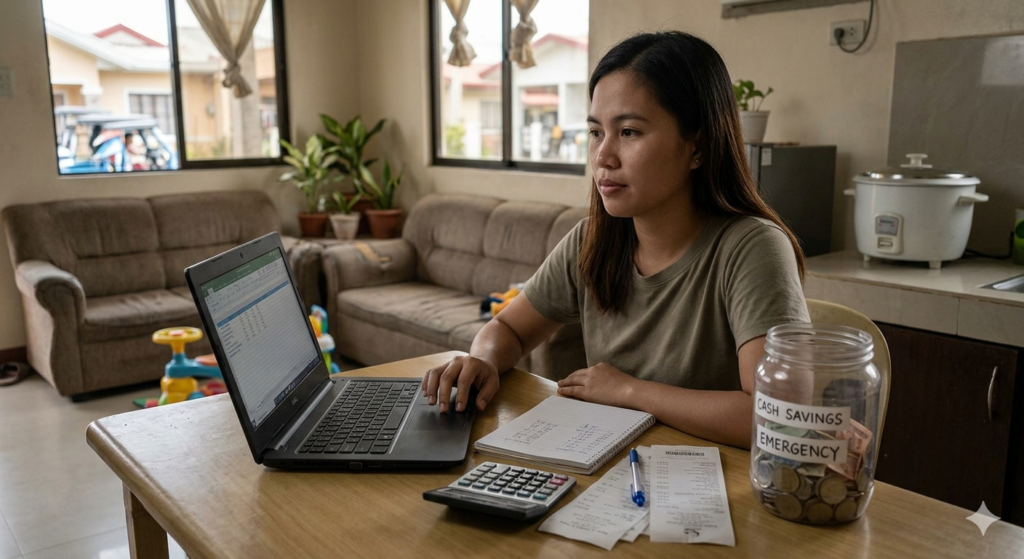
Living paycheck to paycheck carries a heavy emotional and psychological toll that is rarely captured by spreadsheets alone. The chronic stress of financial insecurity frequently manifests as persistent anxiety, deep-seated shame, profound burnout, and chronic sleep problems. Furthermore, financial strain is one of the leading causes of relationship tension, creating friction between partners as they navigate scarce resources.
Financial Stress Manifestations:
├── Chronic Anxiety & Insomnia
├── Identity Shame & Burnout
└── Household & Relationship Tension
To preserve your well-being, you must actively practice healthy coping habits that do not cost a dime. Prioritize regular physical exercise, maintain stable daily routines, and communicate openly and vulnerably with trusted family members or partners about your situation. Avoiding social media comparison culture is also essential, as looking at curated highlights of luxury lifestyles will only amplify your feelings of discontent.
A Crucial Reminder: Experiencing financial struggles in 2026 is very often the result of systemic economic pressures, not a reflection of your personal worth or intelligence.
Realizing that millions of hardworking people are facing the exact same structural hurdles can help dismantle the isolating shame of debt, allowing you to focus calmly on practical solutions.
XI. A 30-Day Financial Reset Plan
+------------------------------------------------------------------------+
|                         30-DAY FINANCIAL RESET                         |
+------------------------------------------------------------------------+
|  WEEK 1: Audit & Snapshot   │  List all expenses and map survival budget |
|  WEEK 2: Cut & Consolidate  │  Cancel subscriptions; pause luxury spend  |
|  WEEK 3: Monetize & Hustle  │  Launch side gig; sell unneeded belongings |
|  WEEK 4: Automate & Track   │  Set up round-up savings; review progress  |
+------------------------------------------------------------------------+
Week 1: Assess and Organize Finances
The first seven days are dedicated to gaining absolute clarity regarding your cash flow. Sit down and list every single expense, identify your primary spending leaks, and construct your baseline survival budget. Knowing your exact numbers eliminates guesswork and establishes a solid foundation for the remaining weeks.
Week 2: Cut Unnecessary Spending
This week, execute the immediate reductions you identified during your financial audit. Cancel all nonessential streaming services, pause automated memberships, and cut out convenience spending like delivery apps and premium coffees. Focus on cooking at home and finding free community entertainment options to maximize your savings.
Week 3: Increase Income
Shift your focus from saving money to actively generating extra cash flow. Apply for accessible side gigs, look into freelance platforms, or spend the weekend listing unused household items for sale online. The goal this week is to inject extra revenue into your bank account to jumpstart your savings.
Week 4: Build Habits
Use the final week of the month to establish permanent systems that protect your progress. Set up automated round-up apps or scheduled transfers to funnel small amounts into your emergency fund every time you get paid. Take time to track your spending over the past month and review your numbers to keep your momentum going into the future.
XII. Financial Habits That Prevent Future Paycheck-to-Paycheck Cycles
To permanently escape the paycheck-to-paycheck cycle, you must build long-term financial habits that safeguard your future earnings. One of the most vital principles is learning to live comfortably below your means, especially when your income begins to grow. When you receive a raise, promotion, or a lucrative new client, resist the immediate urge to upgrade your lifestyle.
Income Increases ──> Keep Expenses Flat ──> Delta Goes To Wealth & Security
Avoiding lifestyle inflation allows you to redirect any new surplus cash straight toward building wealth and security rather than buying depreciating luxury goods. Commit to budgeting consistently every single month, treating your savings contributions as non-negotiable bills that must be paid. Consistently maintaining and expanding your emergency fund ensures you can handle life’s surprises without sliding backward into debt. Finally, schedule brief, regular financial reviews to catch lifestyle creep early and adjust your strategy before it becomes a problem.
XIII. Small Actions Create Big Financial Changes
Extracting yourself from the paycheck-to-paycheck cycle is a gradual process that requires time, patience, and consistent effort. Financial recovery rarely happens overnight, so it is important to celebrate the small victories along the way, like successfully saving your first $100 or canceling a forgotten app subscription. Focus consistently on making steady progress rather than expecting instant perfection.
Remember that you are far from alone in this journey; millions of individuals are navigating these exact same economic crosswinds in 2026. Facing financial pressure is a structural challenge of our time, not a personal failure that defines your potential. By taking deliberate, proactive control of your cash flow today, you can build a resilient financial foundation and pave the path toward lasting peace of mind.