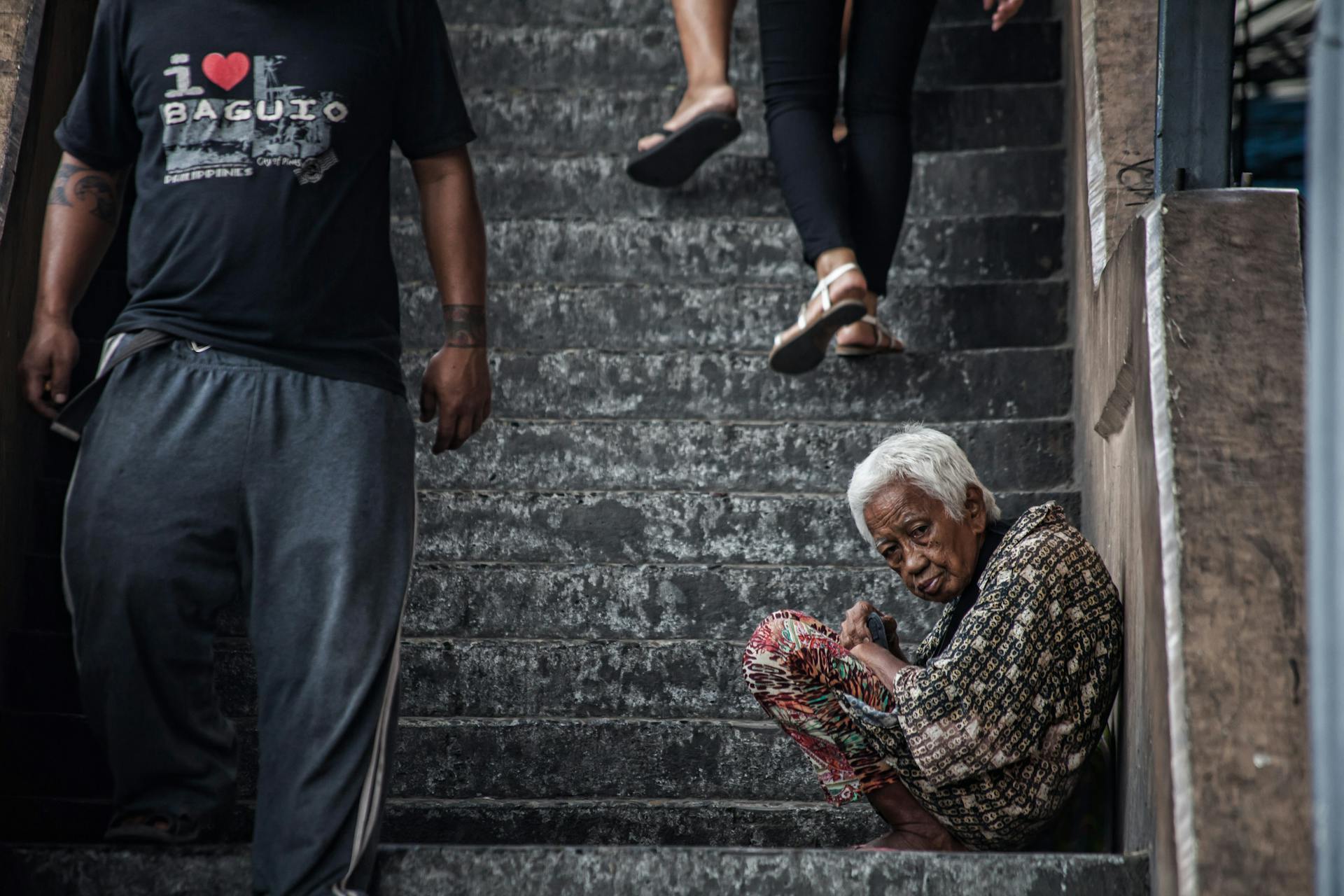
Poverty in the Philippines has never been a simple matter of economic deficiency; it is deeply intertwined with the country’s political landscape. While the nation has experienced periods of economic growth, millions of Filipinos remain trapped in conditions of inequality, limited opportunity, and systemic neglect. At the heart of this paradox lies a political system that, despite democratic structures, often reinforces the very conditions that sustain poverty.
One of the most persistent issues is the dominance of political dynasties. In many regions, power is concentrated in the hands of a few families who have governed for generations. This concentration of power can lead to policies that prioritize political survival over public welfare. Instead of long-term development strategies, governance becomes transactional—focused on short-term aid, patronage, and vote-buying. While such practices may provide temporary relief to struggling communities, they fail to address the structural causes of poverty such as lack of education, weak infrastructure, and limited job opportunities.
Corruption further exacerbates the problem. Public funds that should be allocated to essential services—healthcare, education, social protection—are often mismanaged or siphoned off. The result is a persistent gap between policy intention and actual implementation. Programs designed to uplift the poor frequently fall short, not because they lack merit, but because they are undermined by inefficiency and lack of accountability. In this environment, poverty becomes not just an economic issue but a political consequence.
Another critical factor is policy inconsistency. Changes in leadership often bring abrupt shifts in priorities, disrupting continuity in development programs. Long-term initiatives aimed at poverty reduction—such as agricultural modernization, industrialization, or education reform—require sustained commitment across administrations. However, political rivalry and shifting alliances often lead to the abandonment or rebranding of projects rather than their continuation. This lack of consistency stalls progress and wastes valuable resources.
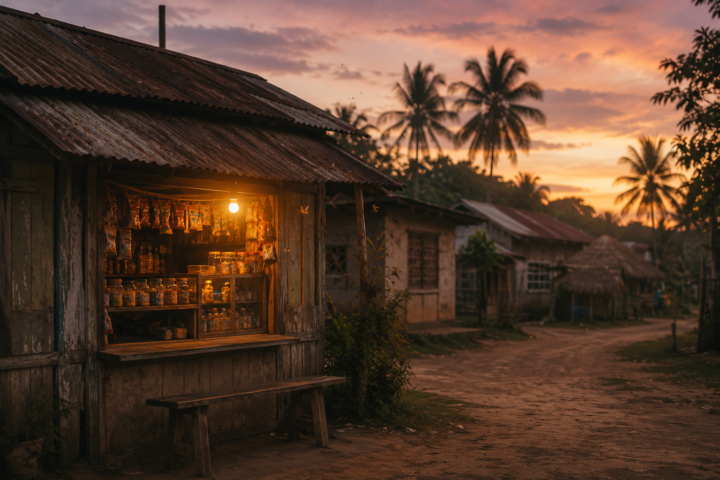
The urban-rural divide also reflects political imbalance. Metro areas, particularly the capital region, receive disproportionate attention in terms of investment and development. Meanwhile, rural provinces—where poverty rates are typically higher—remain underserved. Infrastructure gaps, limited access to markets, and inadequate public services in these areas are not merely logistical issues; they are political choices. When governance fails to equitably distribute resources, it deepens regional inequality and perpetuates poverty outside urban centers.
Moreover, the culture of personality-driven politics weakens institutional integrity. Elections often revolve around popularity rather than platforms, with candidates relying on name recognition, charisma, or celebrity status instead of concrete policy proposals. This dynamic reduces accountability, as voters may prioritize personal loyalty over performance. Consequently, leaders are less pressured to deliver meaningful reforms that address poverty at its roots.
However, it would be incomplete to view the situation without acknowledging the role of the electorate. Poverty itself can influence political behavior. For many Filipinos, immediate survival takes precedence over long-term considerations. This reality makes them more vulnerable to vote-buying or political promises that offer short-term gains. Breaking this cycle requires not only political reform but also social empowerment—improving education, increasing political awareness, and fostering a culture of critical engagement.
Despite these challenges, there are reasons for cautious optimism. Civil society organizations, grassroots movements, and a more informed younger generation are increasingly demanding transparency and accountability. Digital platforms have made it easier to expose corruption and mobilize public opinion. These developments suggest that change, while slow, is possible.
Ultimately, addressing poverty in the Philippines requires more than economic solutions; it demands political transformation. Strengthening institutions, enforcing anti-dynasty laws, ensuring transparency in governance, and promoting issue-based politics are crucial steps. Equally important is empowering citizens to make informed choices and hold leaders accountable.
Poverty is not inevitable. It is shaped by decisions—by policies enacted, priorities set, and systems maintained. If politics continues to serve narrow interests, poverty will persist. But if governance becomes truly inclusive and accountable, it can become the most powerful tool for lifting millions of Filipinos out of hardship.
The question, then, is not whether the Philippines has the capacity to reduce poverty—it does. The real question is whether its political will can rise above entrenched interests to make that possibility a reality.