I still remember the sound of rain on a galvanized-iron roof — that specific rattle, so loud you’d have to shout to be heard, and yet somehow it was the sound that made me feel safest as a kid. Funny how memory works. The town had almost nothing, and still I remember it like it had everything.
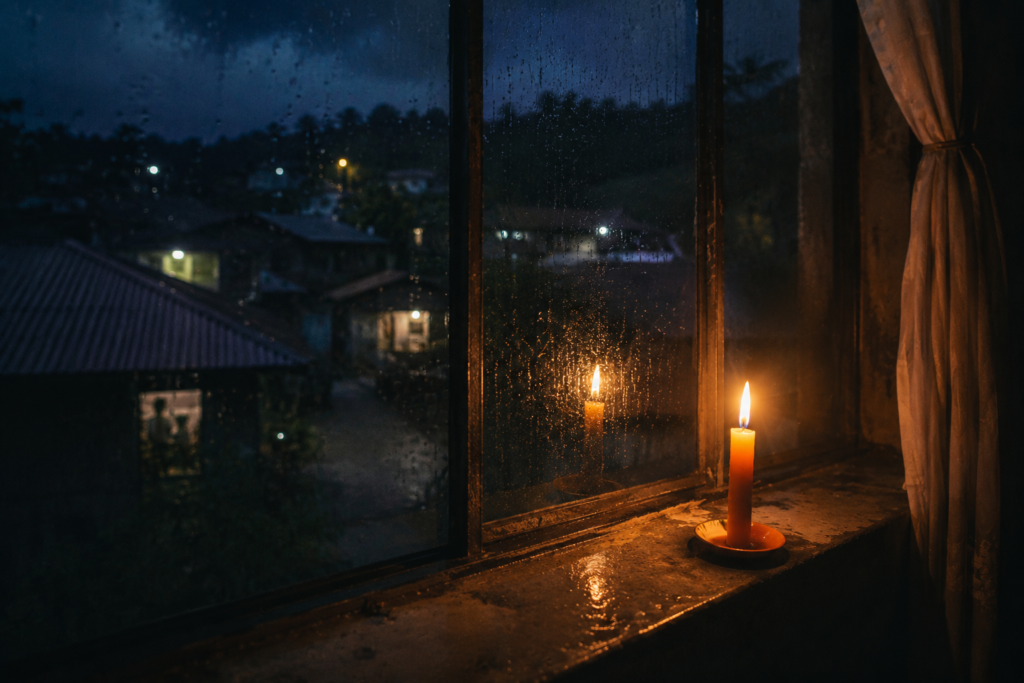
We didn’t have much of a name for what we were. Nobody sat around calling it poverty. It was just Tuesday — the pump that ran dry by afternoon, the brownouts that came so often we kept candles by the door out of habit, not fear. My grandmother used to light one and keep sewing anyway, like the dark was just an inconvenience and not a warning about anything. Maybe that’s what I miss most. The way people carried on.
There’s a particular ache in remembering a place you couldn’t wait to leave. I wanted out, the way most young people there did — the jeepney out to the city, the promise of a real paycheck, a life that didn’t depend on the harvest coming in on time. And I got out. But some nights I still find myself back there without meaning to, standing outside my Lola’s sari-sari store watching the fluorescent light hum and attract moths, listening to my Tatay counting coins under his breath like it was a prayer.
I think about my Tito, who worked construction somewhere in the Middle East for eleven years so his kids could finish school. I think about how he missed every birthday, every fiesta, every quiet Sunday, and sent it all home instead, folded into an envelope, so that a town he wasn’t even living in anymore could keep breathing. Nobody ever thanked him properly. There wasn’t a word for what he gave up. There still isn’t.
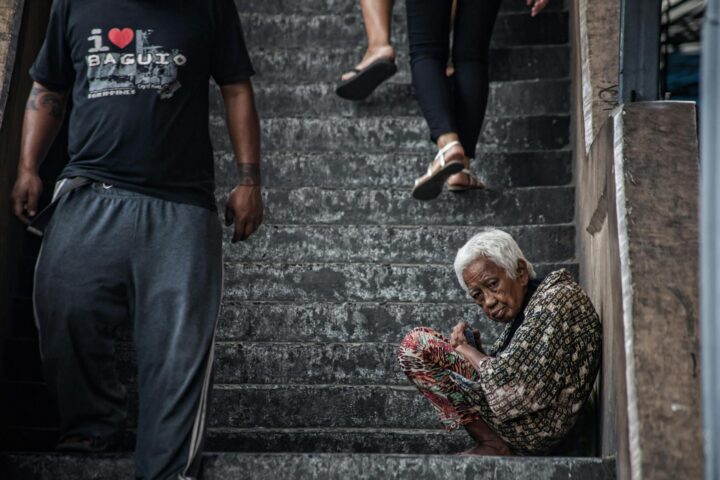
It’s strange to feel proud and sad about the same place at the same time, but that’s exactly what it is. Proud, because I have never since seen people share so much while owning so little — a plate of rice split three ways without a second thought, a neighbor’s roof fixed by six men who asked for nothing but merienda after. Sad, because that generosity was so often the only insurance anyone had. No safety net but each other. And somehow, that was enough — until it wasn’t, until sickness or a bad typhoon season proved how thin the whole thing really was.
I don’t romanticize it anymore. I know now what that town cost the people who stayed — the years, the choices they didn’t get to make, the children who were smarter than the opportunities in front of them. But I also know what it gave. It taught me that dignity doesn’t wait for comfort to show up first. That people can be broke and still be whole.
I go back sometimes, when I can. The roads are a little better now. There’s a cell tower where the old mango tree used to be. My Lola is gone, and the store is run by a cousin who barely remembers me. But the rain still sounds the same on a roof like that. And for a moment, I’m young again, unafraid, in a poor little town that somehow never once let me feel poor.
Maybe that was the town’s quiet magic — not that it lifted anyone out of hardship, but that it never let hardship be the whole story. I hope, someday, it doesn’t have to hold both truths at once. I hope it just gets to be enough, without having to be brave about it too.